Understanding Pizza Delivery in the United States
A comprehensive educational resource exploring how pizza delivery systems work, from kitchen preparation to doorstep delivery.
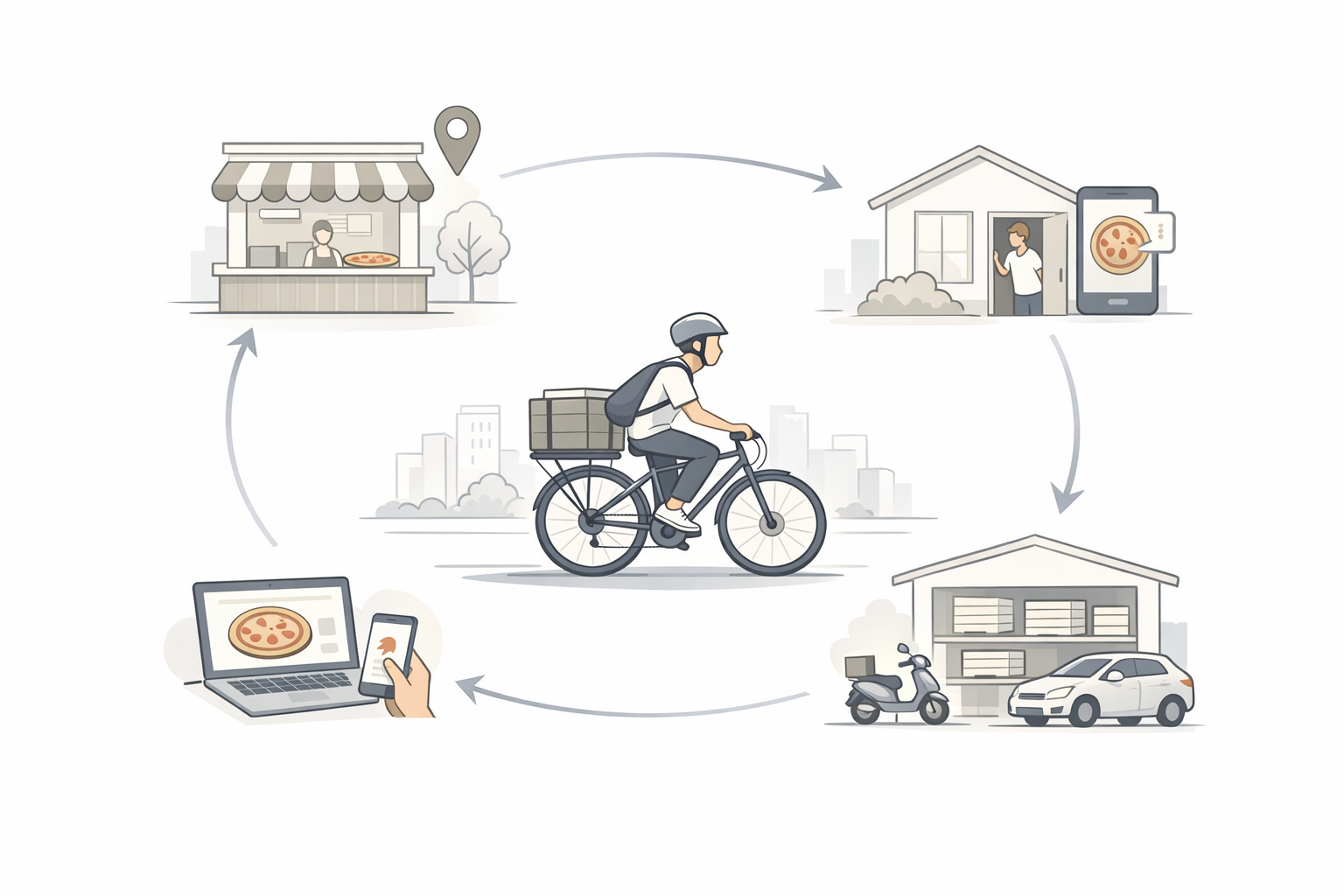
A comprehensive educational resource exploring how pizza delivery systems work, from kitchen preparation to doorstep delivery.
Pizza delivery is a complex logistics system that coordinates multiple stages to ensure hot, fresh food reaches customers efficiently.
Customers place orders through various channels, initiating the delivery process. This information is transmitted to the restaurant for preparation.
Skilled kitchen staff prepare pizzas according to specifications, ensuring quality and consistency while maintaining optimal preparation times.
Pizzas are carefully packaged in insulated boxes designed to maintain temperature and preserve food quality during transport.

Temperature-controlled containers

Efficient kitchen workflows
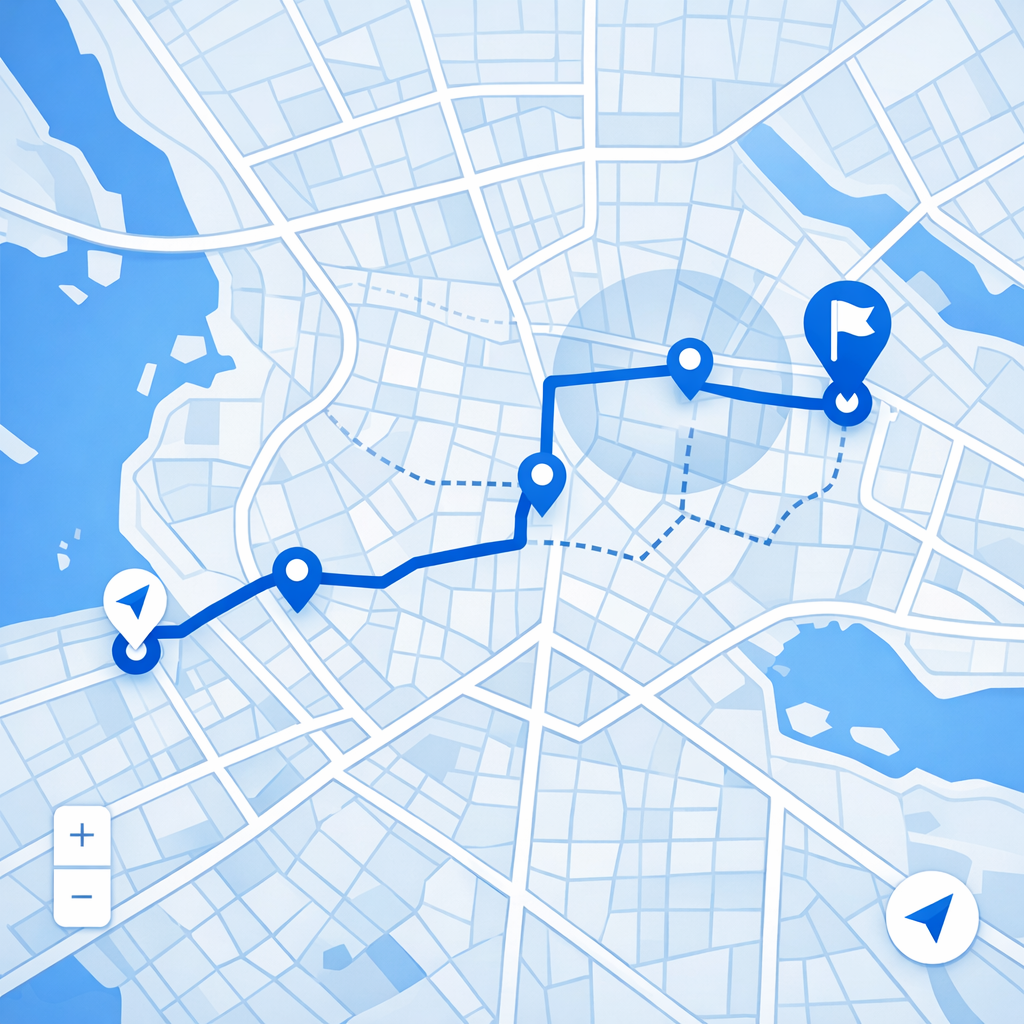
Route optimization technology
Behind every delivered pizza is a carefully orchestrated preparation process designed for efficiency and quality.
Orders are received and prioritized based on timing and preparation requirements.
Fresh dough is prepared and shaped according to order specifications.
Ingredients are carefully layered following standardized recipes.
Pizzas are baked at precise temperatures for optimal quality.
Each pizza undergoes visual inspection before packaging.
Multiple variables influence how quickly a pizza travels from kitchen to customer.
The physical distance between restaurant and customer directly impacts delivery duration. Most services operate within defined delivery zones.
Peak hours such as weekends, holidays, and evening meal times experience higher order volumes, potentially extending wait times.
Rush hour traffic, road construction, and special events can significantly affect delivery routes and timing.
Adverse weather conditions including rain, snow, and extreme temperatures can impact both preparation and delivery speeds.

Common questions about pizza delivery operations and logistics.
Delivery times fluctuate based on order volume, distance, traffic, weather, and kitchen capacity. Each order is unique and subject to different conditions.
Delivery routes are optimized using navigation systems that consider distance, traffic patterns, and multiple delivery destinations when applicable.
Insulated delivery bags and thermal packaging help maintain temperature, while efficient routing minimizes transit time.