Frequently Asked Questions
Common questions about pizza delivery operations

Common questions about pizza delivery operations
Pizza delivery involves many moving parts, from kitchen preparation to final delivery at your doorstep. Below are answers to some of the most common questions about how delivery systems work, why times vary, and what factors influence the delivery process.
Delivery times can vary significantly based on multiple factors. Distance from the restaurant is a primary factor—longer distances naturally require more travel time. However, other elements play crucial roles: current order volume affects kitchen preparation time, traffic conditions impact travel speed, weather can slow delivery vehicles, and the number of deliveries a driver is handling simultaneously can extend the overall time. Additionally, peak hours (typically lunch and dinner times) often result in longer delivery times due to increased demand.
While delivery times vary by location and circumstances, most pizza deliveries aim for 30-45 minutes from order placement. However, this is an estimate rather than a guarantee. Some locations may achieve faster times during off-peak hours, while busy periods or challenging conditions can extend delivery times to an hour or more. Restaurants typically provide estimated delivery times based on current conditions, but these estimates are subject to change as circumstances evolve during the delivery process.
Several factors can cause deliveries to exceed initial estimates. Unexpected traffic congestion, road construction, accidents, or weather events can significantly delay travel times. Additionally, if the restaurant experiences a sudden surge in orders, kitchen preparation may take longer than anticipated. Sometimes, delivery personnel encounter difficulties finding specific addresses or accessing buildings, which can add time to the delivery. These variables are difficult to predict precisely, which is why delivery times are estimates rather than exact promises.
Most pizza delivery services do not offer expedited delivery options for additional fees. Delivery systems are designed to optimize efficiency for all orders rather than prioritize based on payment. However, some services may offer priority placement during busy periods or express delivery options in certain markets. These options, when available, typically come with additional charges and may still be subject to external factors like traffic and weather that affect all deliveries equally.
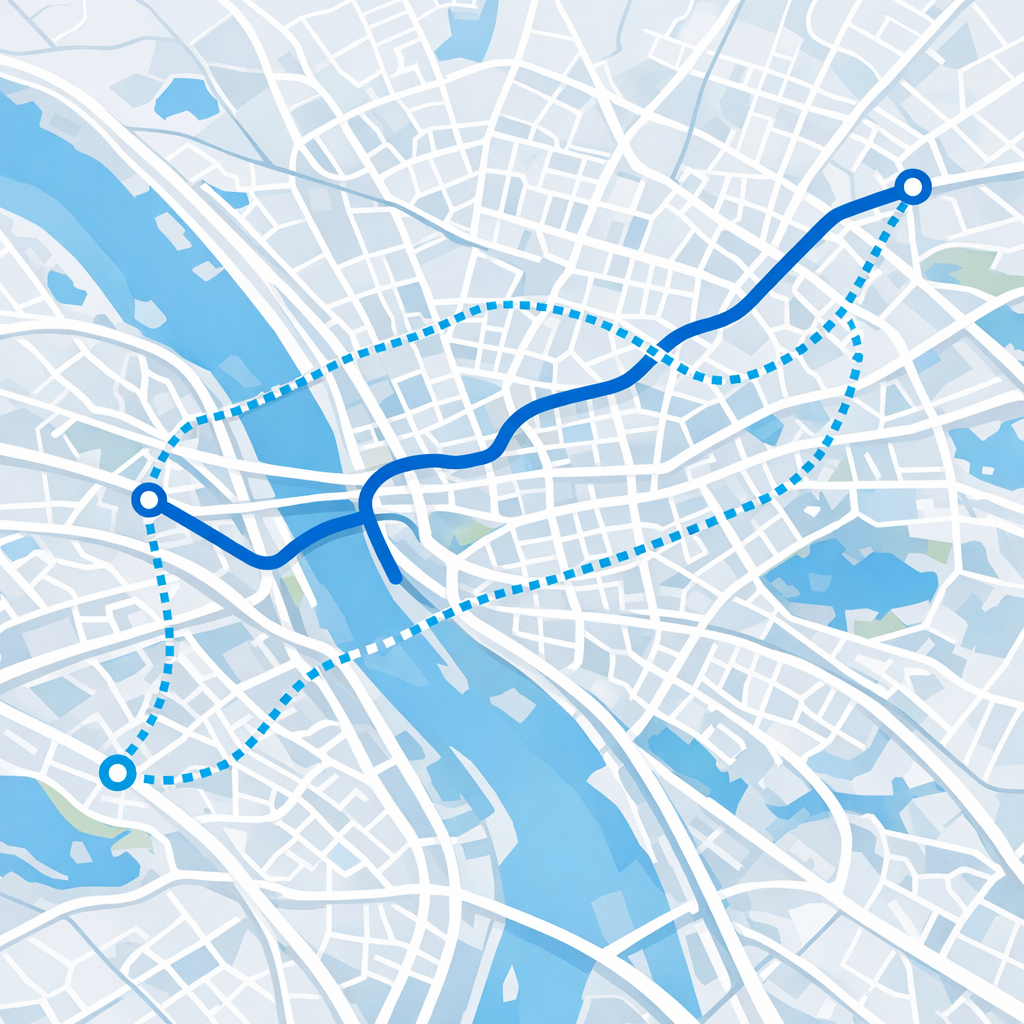
Delivery route planning involves sophisticated algorithms that consider multiple factors to optimize efficiency. Modern dispatch systems analyze the locations of all pending deliveries, the current positions of available delivery personnel, traffic conditions, and delivery time commitments to create optimal routes.
Routes are typically planned to minimize total travel distance while ensuring that deliveries with the earliest time commitments are prioritized. Systems may also group deliveries by geographic area to allow drivers to complete multiple deliveries in the same neighborhood efficiently. Real-time traffic data is continuously integrated, allowing routes to be adjusted dynamically when conditions change.
Human dispatchers may override automated suggestions in certain situations, such as when a customer has special requirements or when local knowledge suggests a better route than the algorithm's recommendation. This combination of technology and human judgment helps ensure efficient and reliable delivery operations.
Policies regarding late deliveries vary by establishment. Some restaurants offer guarantees or discounts for deliveries that exceed estimated times, while others do not. It's important to understand that delivery times are estimates, not guarantees, and external factors beyond the restaurant's control can cause delays. If your delivery is significantly late, contacting the restaurant directly is the best way to address the situation and learn about any applicable policies.
Delivery personnel use GPS navigation systems that provide turn-by-turn directions to delivery addresses. These systems are typically integrated with the restaurant's dispatch software, automatically loading delivery information and routes when orders are assigned. Drivers can also access customer-provided delivery instructions, such as gate codes, building access information, or specific landmarks that help locate the delivery destination accurately.
Many modern delivery systems offer real-time tracking capabilities that allow customers to monitor their delivery's progress. These systems typically show the delivery person's location on a map, provide estimated arrival times, and send notifications at key stages of the delivery process. However, not all delivery services offer this feature, and availability may depend on the specific technology used by the restaurant or delivery service.
If you experience problems with your delivery, the first step is to contact the restaurant directly using the phone number provided with your order. Explain the issue clearly and provide your order details for reference. Most restaurants are committed to customer satisfaction and will work to resolve problems promptly. For persistent issues or concerns about service quality, you may also want to provide feedback through the restaurant's website or customer service channels.
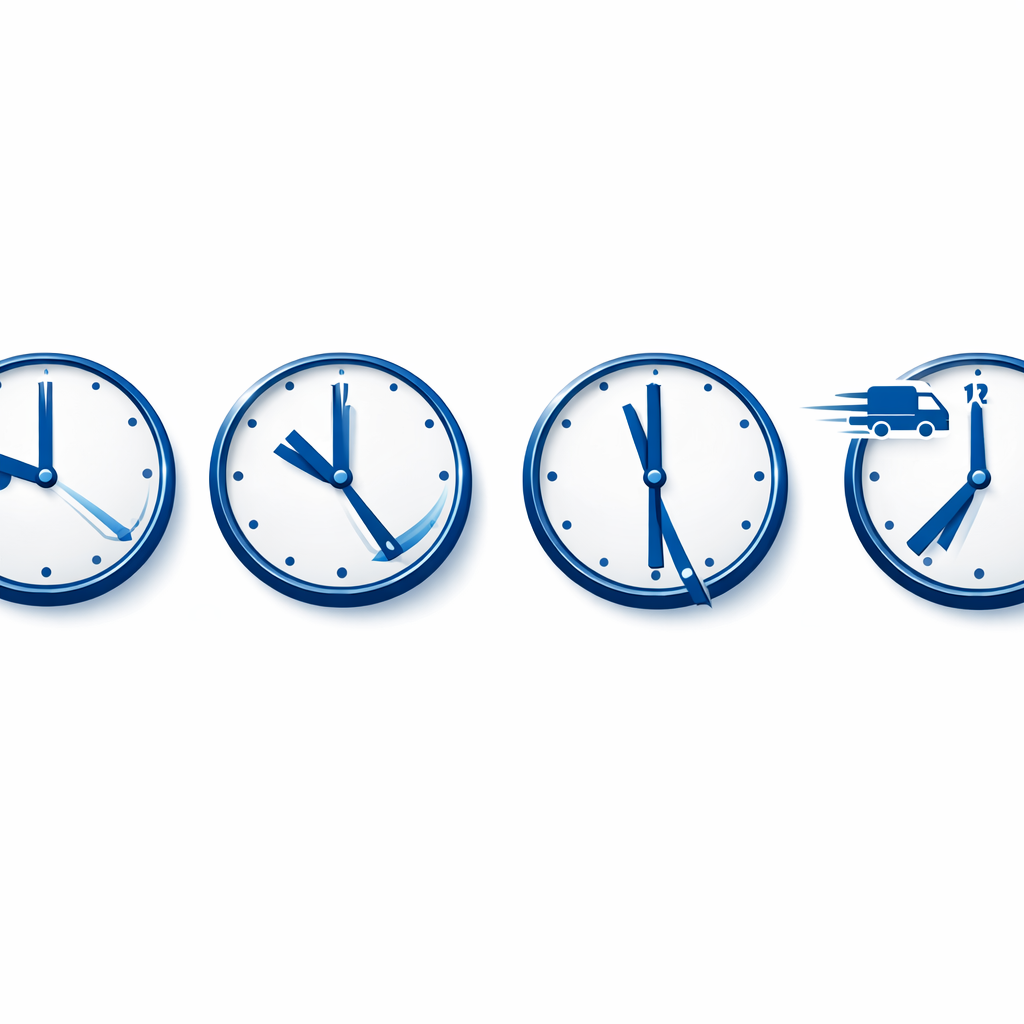
Longer distances require more travel time from restaurant to customer
High demand increases kitchen preparation time and driver availability
Congestion, accidents, and road construction can significantly delay deliveries
Rain, snow, and other weather conditions affect driving speed and safety
Difficult-to-find addresses or restricted access can add delivery time
Peak hours (lunch and dinner) typically have longer delivery times
If you didn't find the answer you were looking for, or if you have specific questions about delivery in your area, please don't hesitate to contact us. Our team is happy to provide additional information and help you understand the pizza delivery process better.